Bolts are essential components in countless products, machines, and structures. In many applications, however, a standard metal bolt may not provide all the performance a project requires. It may need extra protection from corrosion, resistance to loosening, or a surface that meets specific assembly requirements. That is where nylon coated bolts can be useful.
A nylon coating adds a layer of polymer to a bolt’s threads or surface. Depending on the coating type and application, it can help improve locking performance, protect the fastener, or provide a consistent finish. For manufacturers and maintenance teams, choosing the right coated bolt can contribute to reliable assembly and longer-lasting performance.
What are nylon coated bolts?
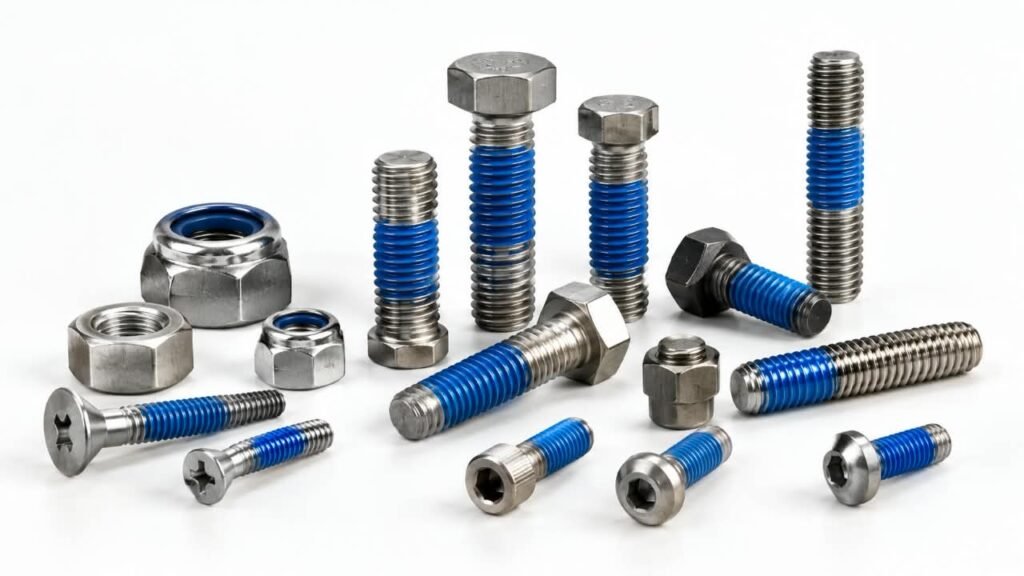
Nylon coated bolts are metal fasteners that have a nylon-based coating applied to part or all of their surface. The coating process is selected according to the bolt’s material, dimensions, intended use, and performance requirements.
Some nylon coatings are applied to the bolt threads to create friction when the bolt is installed. This can help resist loosening caused by vibration. Other applications may call for a coating over more of the bolt’s surface, where the aim may include surface protection or a particular finish.
The exact properties depend on the coating material, application method, coating thickness, and operating conditions. For this reason, buyers should specify how the bolt will be used rather than choosing a coating based on its name alone.
How nylon coating can help resist loosening
In assemblies exposed to vibration or movement, fasteners can gradually lose clamping force. A nylon patch or coating on the threads can increase friction between the bolt and the mating thread. This added resistance can help reduce the chance of the fastener backing out in suitable applications.
Nylon coated bolts may be considered for machinery, equipment, vehicle components, electrical enclosures, and other assemblies where vibration is a concern. Their effectiveness depends on factors such as joint design, bolt size, installation method, and the level of vibration.
A coating is not a substitute for correct engineering. The joint still needs to be designed and tightened to the right specification. Where safety or critical performance is involved, follow the equipment manufacturer’s requirements or consult a qualified engineer.
Potential benefits of nylon coated bolts
The benefits depend on the coating and the job, but nylon coated bolts may offer several practical advantages:
- Resistance to loosening: Thread coatings can increase friction and help maintain a secure assembly in appropriate conditions.
- Consistent installation: A specified coating can help create a repeatable level of thread resistance across fasteners.
- Surface protection: Some coatings may help shield the underlying metal from certain environmental effects. The level of protection varies by coating and exposure.
- Reduced need for separate locking components: In some designs, a locking feature on the bolt may reduce the need for an additional component. This should be confirmed for each assembly.
- Application-specific finishes: Coatings can be selected to meet particular assembly, handling, or appearance requirements.
Before specifying a nylon coated bolt, confirm that the coating suits the temperature, chemicals, moisture, and mechanical demands of the application.
Industries and applications
Nylon coated bolts can be used across a range of industries, including:
Automotive and transport
Vehicles contain many fastened assemblies that experience vibration and changing loads. Coated bolts may be used in selected components where resistance to loosening is required and the design permits their use.
se.Industrial machinery
Production equipment, pumps, motors, and machinery can operate continuously and experience vibration. Choosing an appropriate bolt and coating can support reliable assembly and simplify maintenance planning.
Electrical equipment
Enclosures, panels, and electrical assemblies may require fasteners with particular surface or locking properties. The coating should be compatible with the installation environment and the equipment’s specifications.
Manufacturing and engineering
Manufacturers often need fasteners that perform consistently in repeat production. A clearly specified coating can help keep assembly requirements consistent across batches.
Maintenance and repair
Maintenance teams may use coated bolts when replacing fasteners in equipment, but replacement parts should match the original specification. A bolt that looks similar may differ in material, strength, dimensions, or coating.
Nylon coating and corrosion protection
Nylon is a polymer, but that does not mean every nylon coated bolt will provide the same corrosion resistance. Protection depends on how the coating is applied, whether the metal is fully covered, the coating’s condition, and the environment.
Damage during installation can expose the underlying metal. Moisture, salt, cleaning agents, chemicals, and heat may also affect coating performance. If corrosion resistance is a key requirement, specify the expected conditions and ask the supplier which coating system has been tested for them.
For demanding environments, compare coating options and confirm compatibility with the bolt material. Avoid assuming that a nylon coating automatically replaces the need for a corrosion-resistant base material or another protective treatment.
How to choose the right nylon coated bolt
Selecting the correct fastener starts with the application. Consider these details before ordering:
- Bolt dimensions: Confirm the diameter, length, thread pitch, and thread type.
- Base material and strength: Choose the bolt material and grade required for the load and operating conditions.
- Coating location: Clarify whether the nylon should cover the threads, a portion of the threads, or more of the bolt.
- Locking requirements: Explain whether the main goal is vibration resistance, repeatable installation, or another function.
- Environmental conditions: Share the temperature range and exposure to moisture, salt, oils, or chemicals.
- Assembly method: Consider how the bolt will be installed and whether the coating must meet a particular torque or reuse requirement.
- Standards and documentation: For regulated or critical applications, specify any required standards, inspection checks, or documentation.
Providing these details helps a coating supplier recommend a product that suits the job rather than relying on a generic description.
Work with a specialist coating supplier
The performance of a nylon coated bolt depends on more than the coating material. Preparation, application, coverage, thickness, and quality checks all matter. A specialist supplier can help review the bolt specification, understand the working environment, and identify the coating requirements before production.
When discussing an order, share a drawing or sample if available, the expected quantity, the bolt material, and the conditions in which the fastener will be used. Ask about coating coverage, inspection procedures, lead times, and any care needed during storage or installation.
Choose nylon coated bolts for the job
Nylon coated bolts can support secure, consistent fastening in applications where a suitable coating is required. They may help resist loosening, provide a specified surface finish, or meet particular assembly needs. Their suitability depends on the bolt design, coating method, installation, and environment.
Start with clear requirements: bolt size, material, coating coverage, operating conditions, and performance expectations. Then work with a knowledgeable supplier to confirm the right specification. With the correct fastener and coating for the application, manufacturers and maintenance teams can build assemblies that meet their needs with greater confidence.